1 min read
Chatbots: Are We Automating What Should be Eliminated?
A team in HR builds a chatbot to walk hiring managers through a 14-field hiring request form. It takes three months and a meaningful chunk of their...
3 min read
Craig Szelestowski September 25, 2026
You can feel it in the room when AI comes up. A director presents the productivity numbers. The team nods. Two people smile. And at least one person is doing math in their head that nobody is asking about out loud: "If this tool does 40% of our job, and there are five of us, how long before there are three of us?"
The fear is real. It is also not entirely unfounded. ManpowerGroup’s 2026 Global Talent Barometer found that 43% of workers worldwide fear AI will replace their job within two years - up 5 percentage points from 2025. Pretending the fear doesn’t exist is terrible - it confirms that leadership isn’t willing to talk about the thing on everyone’s mind, which in itself erodes trust.
Here is the concept worth discussing with the team instead.
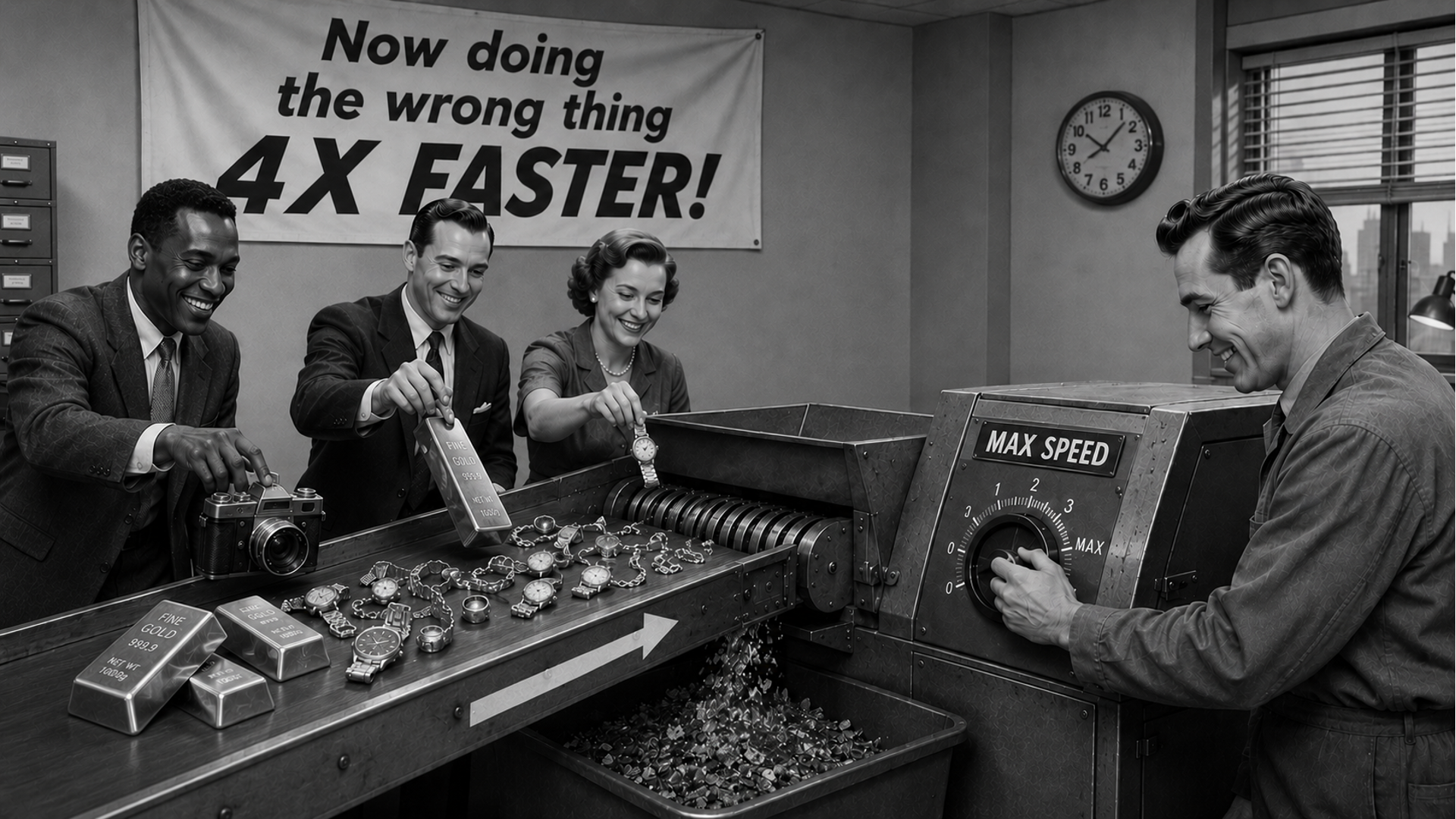
Art Smalley - a faculty member at the Lean Enterprise Institute who spent ten years working at Toyota in Japan - describes two paths organizations can take with AI.
The reason to have this conversation with your team before the project starts - not after - is that the extraction path destroys trust in ways that are hard to rebuild.
Once employees have watched even one colleague be laid off because of an AI project, every future AI project becomes a threat. That mindset guarantees poor adoption and quiet resistance.
The commitment a leader can actually make goes something like this:
"The time this AI saves us will be redirected in specific ways. We will reduce the backlog in area X. We will take on the work we’ve been deferring in area Y. We will invest in the quality improvements we’ve been meaning to make. We will not use this project as a reason to reduce the team."
John Scherer, an organizational change researcher, calls this the Natural Attractors principle: people move toward change willingly when the new state is more attractive than the current one. What the organization will do to fill the time that AI frees cannot be a vague promise to employees. It must point to the specific work people have been wanting to do but never had time for - the backlog they wanted to clear, the clients they wanted to serve better, the quality improvements they kept deferring, or the deeper analysis they always thought their work deserved.
Make the future work attractive, and the fear of AI shifts into anticipation and willingness. Commit to the specific work AI will enable employees to do, and for bonus points, put it in writing for credibility.
If leadership can’t make that commitment, don’t deploy the AI. And certainly, don’t engage the people who will be negatively affected in implementing AI. Not because AI is bad, but because without the commitment you are going to spend all the labour savings from AI on unhappy employees who are left over, mending broken trust, and paying a large re-hiring bill eighteen months later when the institutional knowledge walks out the door.
A Harvard Business School working paper found that since ChatGPT launched, postings for jobs involving lots of structured, repetitive tasks have dropped 13%, while postings for roles requiring analytical, technical, or creative work have grown 20%.
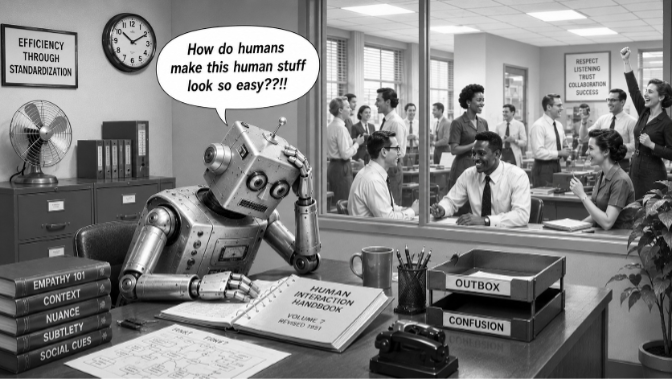
The jobs that remain are the ones that require judgment, empathy, and the ability to work with AI rather than against it. The team members who develop those skills become more valuable, not less. The ones who don’t, over time, become less valuable whether AI exists or not.
Here is the message I share with leaders when we teach this: "You are not being replaced. You are becoming irreplaceable." Say that to your team if you mean it. Then fund the training, protect the jobs during the first project, and redirect the freed time to the work everyone has been saying needs to get done but never does. If the workforce must shrink, use attrition.
Key takeaways:
Explore our public training programs.
Training ProgramsTalk to us about a working session for your team.
Book a Consultation
1 min read
A team in HR builds a chatbot to walk hiring managers through a 14-field hiring request form. It takes three months and a meaningful chunk of their...

1 min read
I've been tracking where AI saves time in Lean process improvement projects. Not the marketing claims - the actual hours, on real engagements, with...
1 min read
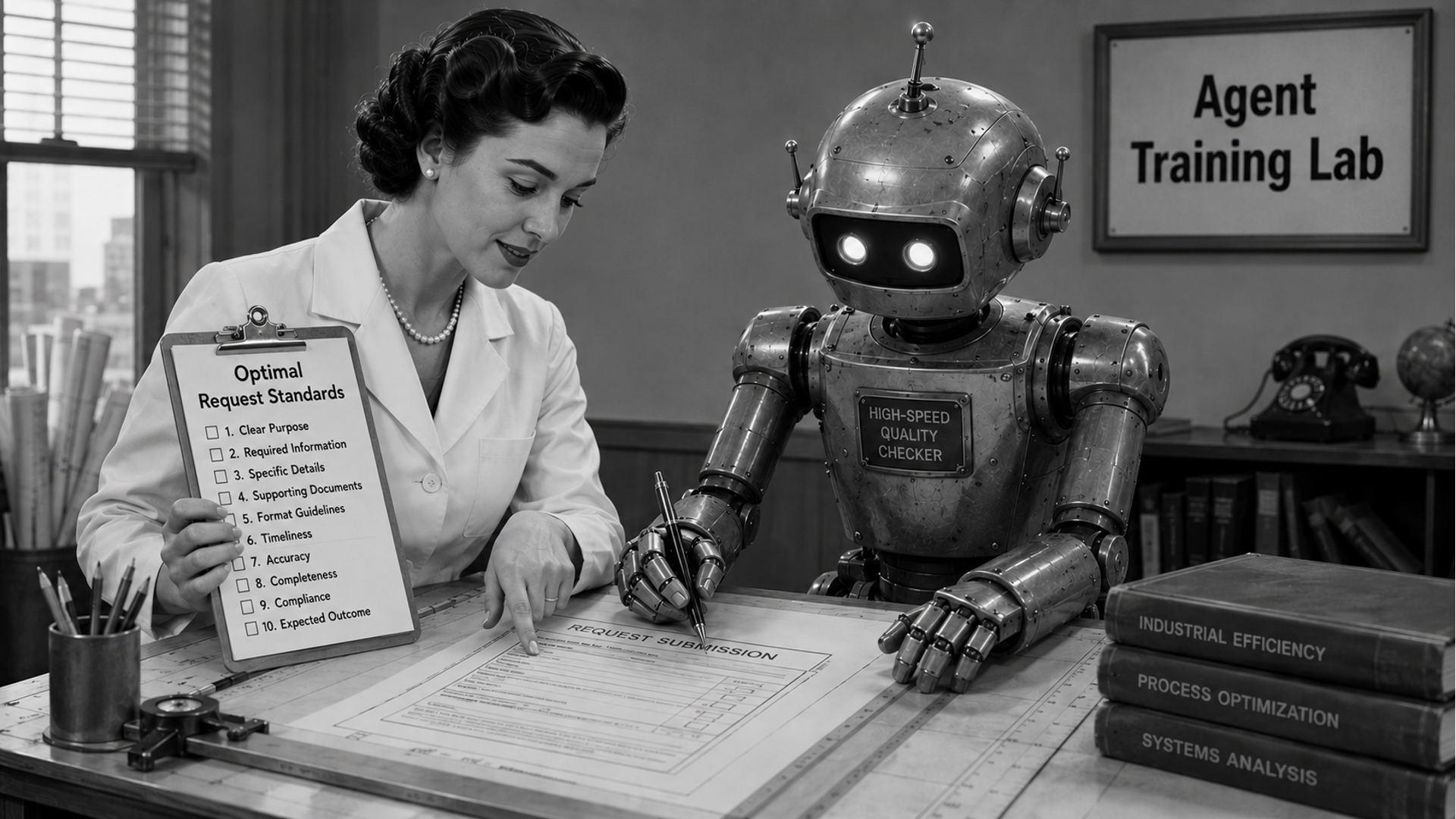
Last week I opened up Microsoft 365 Copilot, clicked "Create Agent," and pasted a 10-item checklist for staffing request completeness. Then I tested...