1 min read
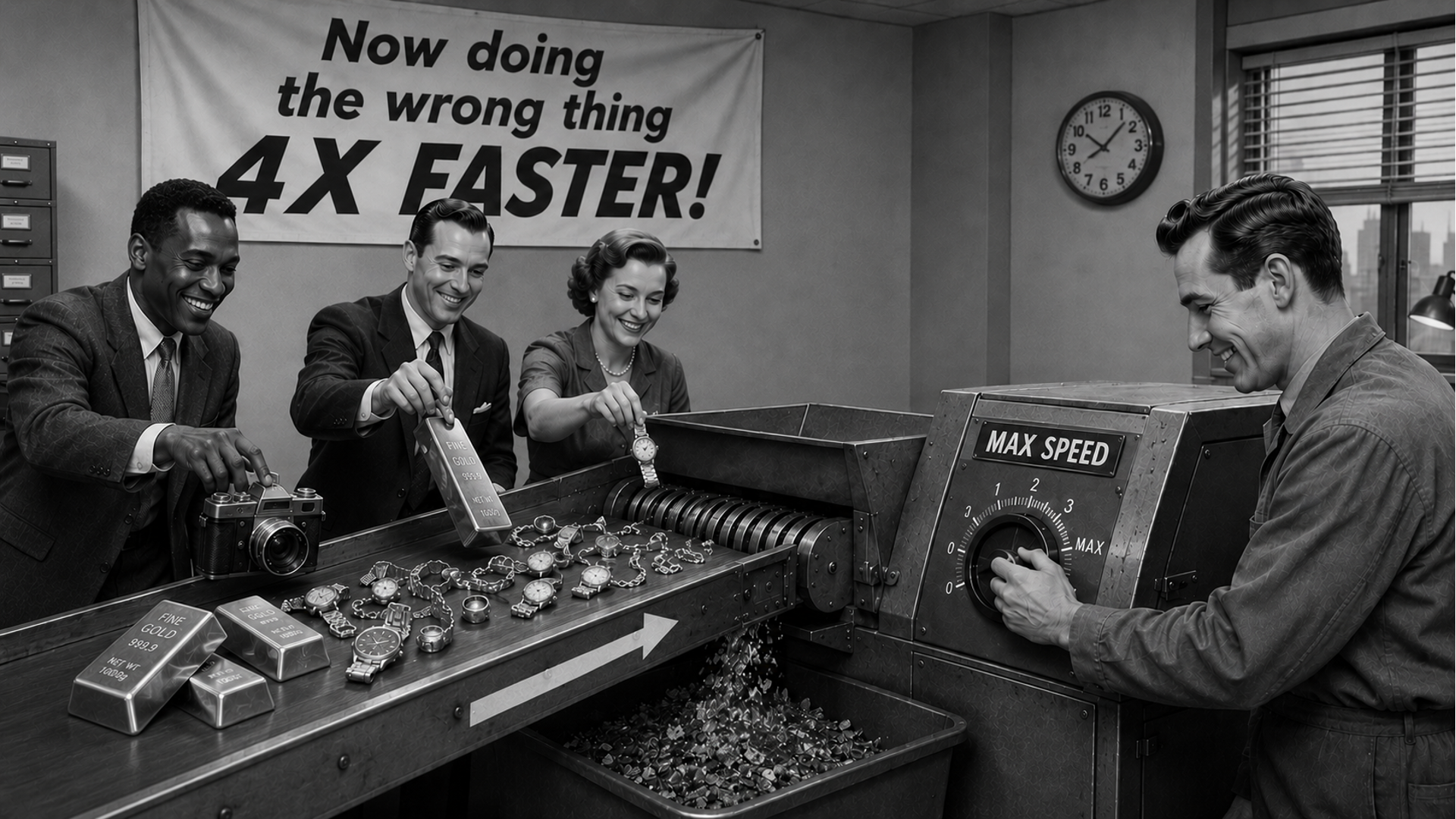
Chatbots: Are We Automating What Should be Eliminated?
A team in HR builds a chatbot to walk hiring managers through a 14-field hiring request form. It takes three months and a meaningful chunk of their...
2 min read
Craig Szelestowski Updated on September 14, 2026
I've been tracking where AI saves time in Lean process improvement projects. Not the marketing claims - the actual hours, on real engagements, with government clients.
The short answer: on the projects I’ve measured, I typically see around 20-40 facilitator hours that can be returned to the mission per DMAIC project when AI is used thoughtfully across the work. Your mileage will vary based on tool maturity, project scope, and how much of the process is text-heavy vs. data-heavy.
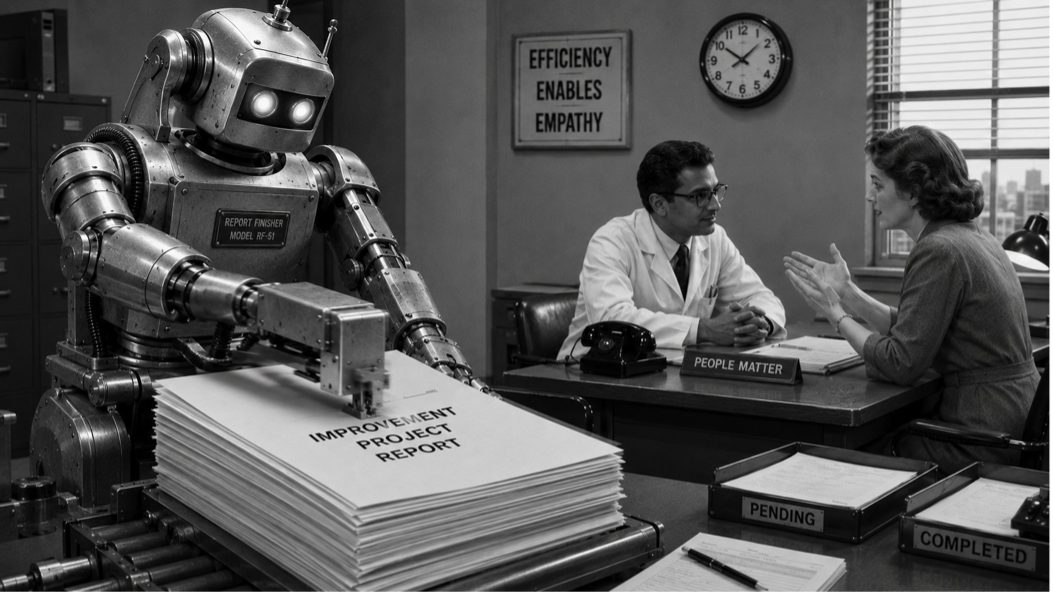
The biggest single savings is the final report.
Assembling a 20-page executive report from multiple project artifacts - charter, data analysis, root causes, experiment results, recommendations - used to take 6 to 10 hours. With AI, the structure and first draft come together in 2 to 3 hours. You still add the narrative judgment, the political sensitivity, and the story arc that makes the sponsor care. But the assembly time is cut by more than half. That's 4 to 7 hours back on a single deliverable.
The second biggest is interview synthesis.
On a typical project I conduct 8 to 12 stakeholder interviews and keep typed notes for each one. Synthesizing them manually - re-reading every notes page, building a theme matrix, identifying contradictions, spotting exceptions - takes 3 to 5 hours. AI does the first-draft synthesis in 20 minutes or less. It analyzes all 12 interview documents simultaneously, which a single human brain can't do. I still validate every theme and catch what the AI misses. But the 3-hour scramble becomes a 40-minute review. Two to four hours saved.
A reasonable objection: synthesizing interviews is the analysis. If AI does it, you don’t actually understand what stakeholders said. Fair point.
I read every transcript first and take my own notes. Then I use AI synthesis to surface what I missed. AI is a second pair of eyes, not a substitute for my own analysis.
The third is drafting your plans to test out your ideas.
A typical project produces 4 to 6 improvement ideas to test out. We plan each of these experiments by filling out a customized Lean Agility template. Typically, each one takes 45 to 60 minutes to write from scratch. With AI generating the first draft from a good prompt, it's 20 to 30 minutes of refinement per plan. Across 4 to 6 experiments, that's 2.5 to 4 hours saved - around half a day!
Where AI doesn't save time: the human work.
Building trust with a nervous sponsor. Coaching a director who reviews everything because of one problem three years ago. Creating psychological safety for a team member who's afraid to say "I don't understand." Reading the room when someone is about to shut down and check out of the workshop. None of that got faster. None of it should.
AI handles the arithmetic so you can handle the meaning. That's a pretty good deal.
Key takeaways:
Explore our public training programs.
Training ProgramsTalk to us about a working session for your team.
Book a Consultation
1 min read
A team in HR builds a chatbot to walk hiring managers through a 14-field hiring request form. It takes three months and a meaningful chunk of their...
1 min read
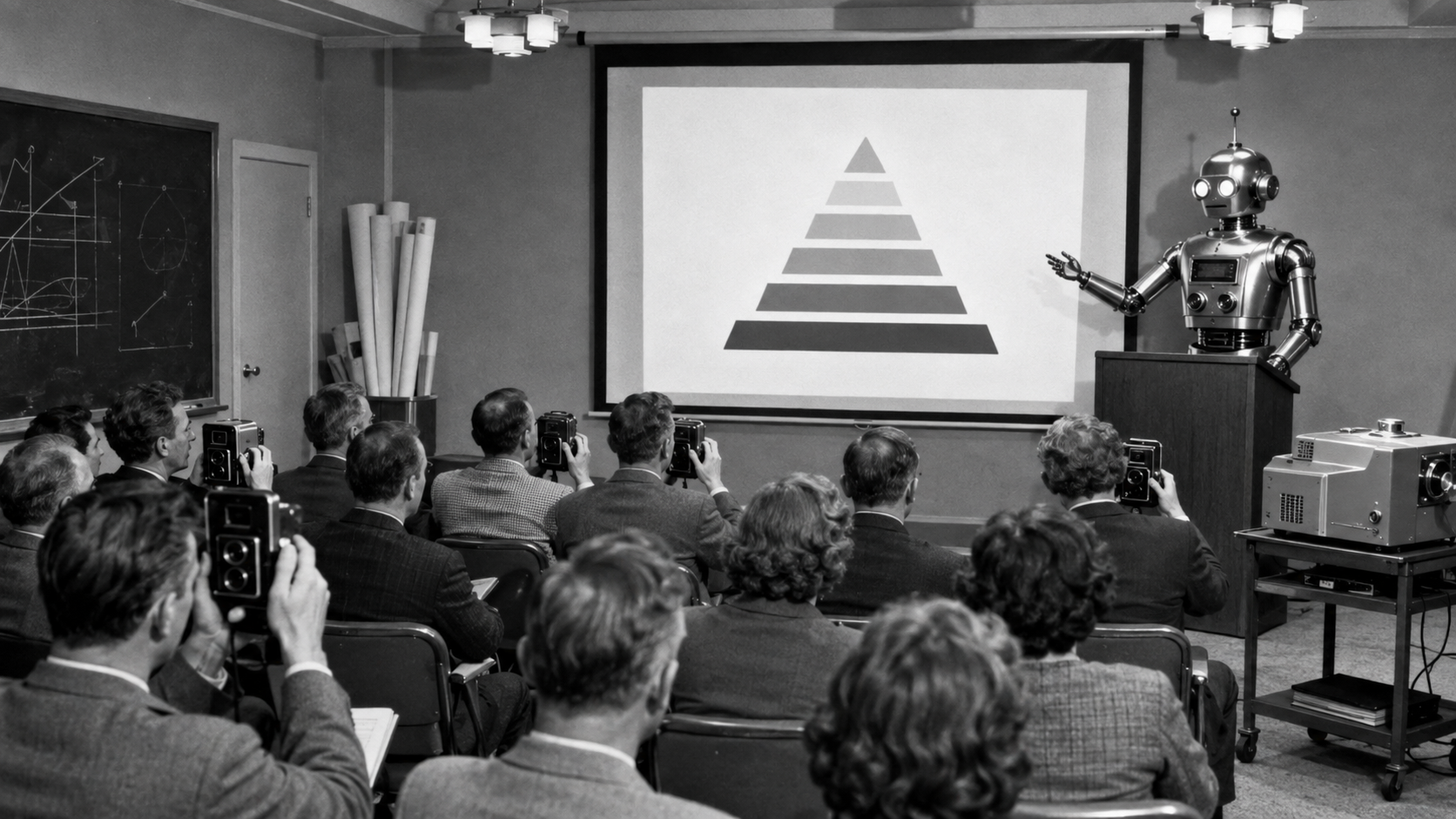
How do you know which slide is the one people care the most about? Easy - it's the one they take pictures of.
1 min read
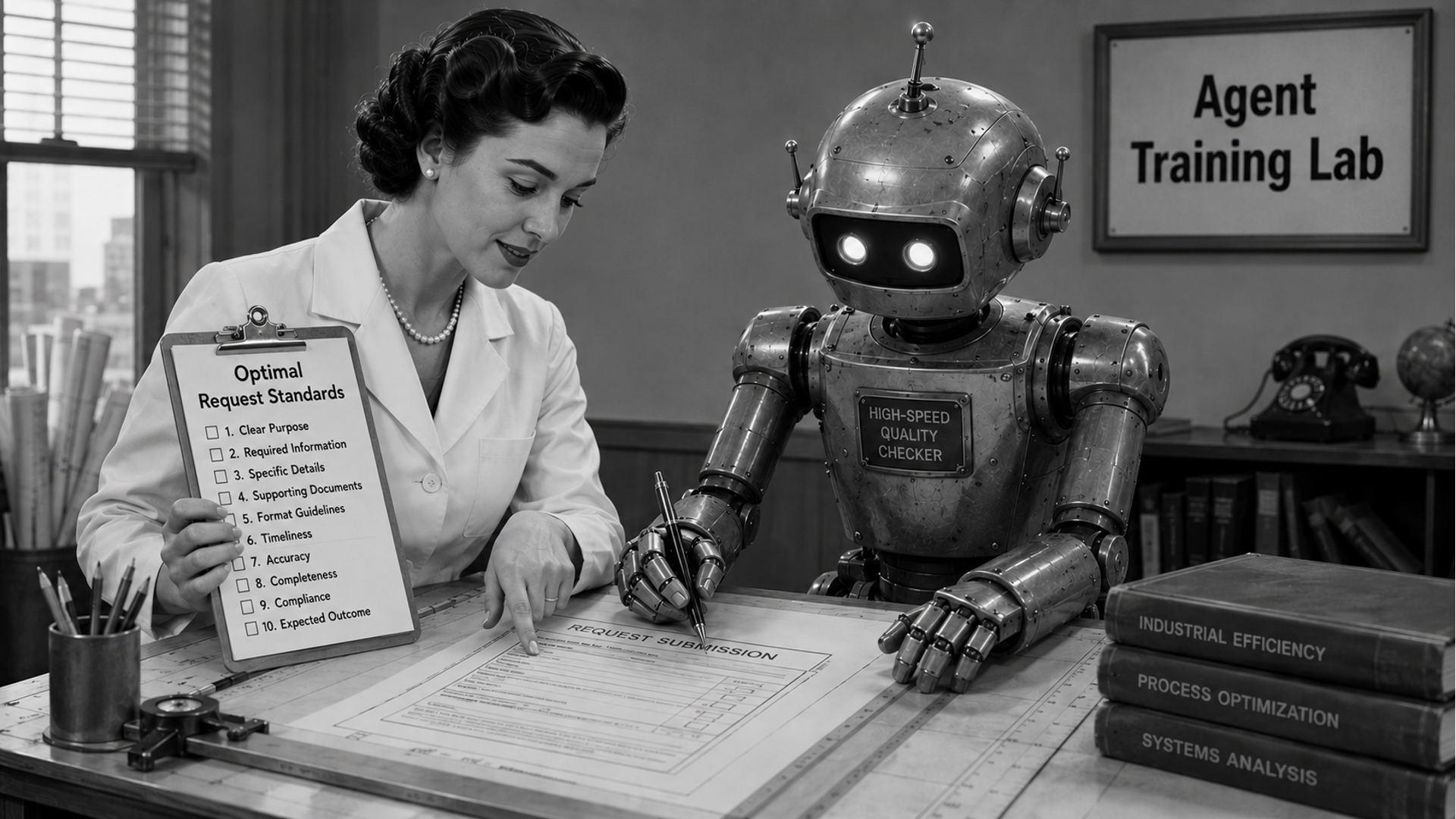
Last week I opened up Microsoft 365 Copilot, clicked "Create Agent," and pasted a 10-item checklist for staffing request completeness. Then I tested...